Hedge Trimming in Turnham Green

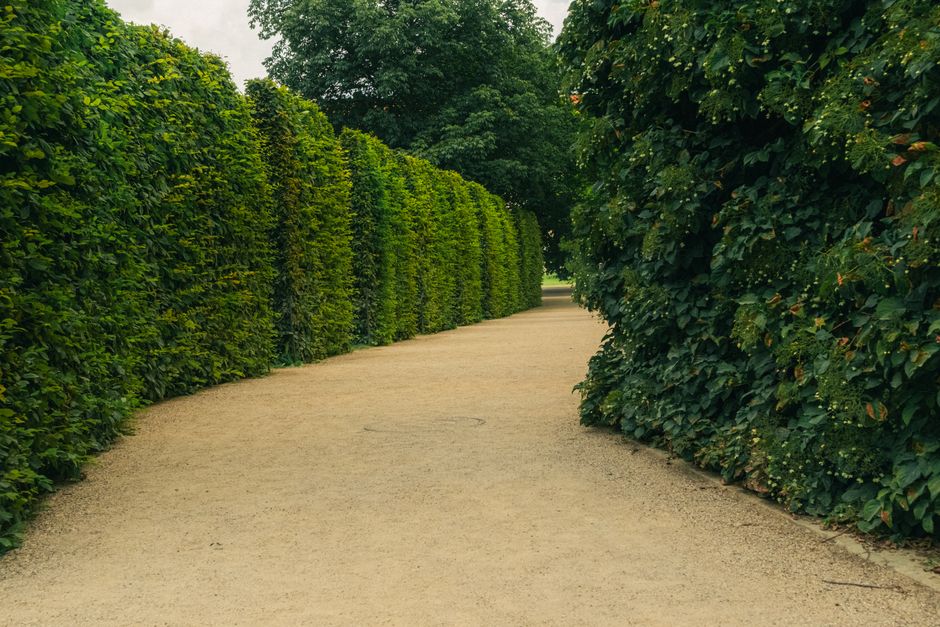
Hedge trimming in Turnham Green is a straightforward way to keep boundary planting neat, manageable and in better shape through the growing season. Our work focuses on shaping hedges cleanly, reducing untidy growth, and maintaining a finish that suits the garden rather than forcing it into an overly rigid form. Whether a hedge needs a light tidy or a more careful reduction, the aim is always to improve its outline and keep the plant healthy enough to recover well.
We handle practical hedge work across front gardens, rear boundaries and shared edges where a tidy line matters. Some hedges only need the soft new growth removed, while others benefit from a fuller cut back to restore form and light. Clear edges, even lines and sensible height control all make a hedge easier to live with, and they also help prevent the common problems that come from letting it run unchecked for too long.
If you are comparing options, start with the kind of finish you want and then ask for a quotation. A brief note about the hedge type, its approximate length and whether you want shaping, reduction or routine maintenance is usually enough to begin.
Hedge shaping, reduction and routine maintenance
Different hedges need different approaches, and that is why careful trimming is more than just cutting everything back evenly. Formal hedges often suit crisp, level surfaces that keep their outline season after season, while looser hedging may need a lighter hand so it still looks natural. The work can include trimming sides, levelling tops, straightening awkward sections and easing out bulges that make a hedge look untidy.
Where growth has been left to build up, reduction may be more suitable than a simple trim. That means working with the plant’s structure so the result is controlled rather than harsh. A sensible reduction considers how much foliage can be removed without leaving the hedge sparse. It also helps to think about access, nearby paving, fences and planting, because accurate cutting is as much about protecting the surrounding garden as it is about the hedge itself.
What a careful trim may include
Trimming can cover more than the visible face of the hedge. Depending on the plant and the condition of the growth, the work may involve neatening the top, drawing the sides back into line, managing overhang and improving the boundary shape from end to end. In practical terms, that usually means a clearer garden edge, better light penetration and a much tidier appearance from the street or patio side.
Hedge types and the right approach

Different hedge species respond in different ways, so the cutting method should suit the plant rather than follow a single rule. Evergreen hedges often benefit from regular maintenance because they can quickly become dense or lopsided if they are ignored. Deciduous hedges may tolerate stronger seasonal work, but even then the timing and amount of removal should be sensible. The goal is to keep growth healthy while improving shape and control.
Some hedges are planted primarily for privacy, while others form decorative borders or low divisions between garden areas. Tall screening hedges need even height and a stable profile, whereas low hedges are usually judged by how neatly they frame paths, beds or driveways. Attention to the hedge’s purpose matters because a privacy hedge trimmed too hard can lose the coverage people wanted from it in the first place, while a decorative hedge needs a more consistent finish.
Where growth varies along the length, a trim may need to be planned in sections. That can be useful if one end receives more sun, one side has thicker old growth, or a boundary has been stretched by years of uneven cutting. A measured approach helps bring the whole hedge back into a better shape without creating a patchy result that stands out for the wrong reasons.
Preparing for hedge work and getting a quotation
Good quotations start with simple details. It helps to know the hedge location, roughly how long it runs, whether it is front or rear boundary planting, and what finish you want. If the hedge is accessible from both sides, that can change the approach. If it stands beside a wall, drive or other planting, that may affect the time and equipment needed. Clear information makes it easier to judge the scope of the work sensibly.
Two other points are useful to mention: whether the hedge has been trimmed recently, and whether you want the cut material cleared away. That can change the size of the job and the disposal arrangements. If you are asking for a quotation, a short description is usually enough to start the conversation; you do not need to over-explain. Simple, accurate information is better than a long message full of guesses.
- Hedge type and approximate height
- Length of the run and whether both sides need attention
- Preferred result: tidy trim, reduction or full reshaping
- Access details, including gates, steps or tight side passages
- Whether clippings should be removed after the work
Boundary hedges, privacy and street-facing kerb appeal
Front-facing hedges often need a slightly different treatment from hidden garden hedges because they affect how the whole property reads from the road. A straight, tidy boundary can sharpen the look of a frontage, while a soft but controlled finish helps the garden feel cared for without appearing overworked. The same is true for shared boundaries, where consistency matters because the hedge is visible from more than one direction.
Privacy hedges deserve particular care because height, width and density all play a part in how effective they are. Cutting too much from the top can reduce screening, but letting the sides spread too far can make the hedge heavy and awkward. The best result is usually a balanced shape that keeps the top narrower than the base, allowing light to reach lower growth and helping the hedge stand up better over time. This practical profile supports both appearance and function.
Where a hedge borders a path or driveway, the work can also improve day-to-day use of the space. Cleaner edges stop branches from brushing shoulders or obscuring sight lines, and a more regular line makes the garden feel less crowded. For many properties, that is the main benefit: the hedge stays useful, but it stops dominating the space around it.
Seasonal trimming and growth control

Regular hedge maintenance is often easier than waiting for a hedge to become bulky and overextended. Smaller, planned trims can help maintain shape through the year, while larger cuts may be needed less often if growth is slow or the hedge is naturally compact. The right rhythm depends on the hedge species, the position in the garden and how formal you want the finish to be.
Seasonal growth can be uneven, especially where one side faces more sun or shelter than the other. That is why a hedge may look sound from one angle but need attention when viewed along its full length. A careful trim can even out those differences so the hedge looks balanced from both the garden and the outside. This is especially useful where different planting sections have merged into one long boundary.
In practical terms, the work may be shaped by simple decision points: how much growth to remove now, how much to leave for recovery, and whether a lighter touch will serve better than a stronger cut. A hedge does not need to be forced into a rigid line to look smart. In many cases, a controlled and sympathetic trim is what keeps it attractive for longer.
Related garden services that support a tidy boundary
Hedge work is often part of a wider maintenance pattern rather than a standalone task. Nearby lawns, borders and trees can all influence how a hedge is seen and how easy it is to work on. When the rest of the garden is in good order, a hedge line is easier to judge accurately. That is why some customers ask for hedge trimming alongside broader upkeep rather than treating it as a one-off fix.
Useful related work may include garden maintenance for ongoing general upkeep, lawn mowing where neat grass edges improve the overall finish, and garden clearance when cuttings, overgrowth or neglected sections need a fuller tidy. Where the boundary is part of a wider redesign, landscape gardening and landscaping can help bring the whole space into a more coherent layout.
If a hedge has grown alongside larger shrubs or trees, it may also be sensible to think about tree lopping and removal for overhanging branches, or recycling and sustainability where cut material disposal is a consideration. The right combination depends on what is actually in the garden and how much work needs to be done. Matching the service to the site is often the most economical way to plan the job.
About Turnham Green
Turnham Green is an area in Chiswick, in the London Borough of Hounslow, with a name that reflects both the historic common and the surrounding district that grew up beside it. The green itself has long been a focal point in the area, and the name remains strongly associated with the locality around Turnham Green Terrace, the nearby residential streets and the routes that connect Chiswick with neighbouring parts of west London. The district sits within a part of the capital that developed from village-like origins into a densely settled suburban landscape, yet traces of earlier character still remain in its street pattern and older buildings. St. Michael and All Angels, a well-known church close to the green, is one of the landmarks that helps anchor the area’s identity, while Turnham Green station provides a strong transport link on the District line and London Overground network. The wider Chiswick area includes sections of the Thames-side landscape to the south and east, as well as busy corridors such as Chiswick High Road, so the local environment combines quieter residential pockets with more active commercial streets. Green space is part of that identity too: Turnham Green itself, together with nearby gardens and tree-lined roads, gives the district a more open feel than many parts of inner west London. The area’s built environment ranges from terraces and mansion blocks to later infill housing, with a mix that reflects repeated phases of growth. Historic interest, transport convenience and a recognisable local centre all contribute to the character of Turnham Green today.
Access, cutting height and garden conditions
Every hedge job has practical limits, and access is one of the main factors that shapes the work. Narrow side passages, awkward steps, tight front gardens and planted beds can all affect how easily a hedge can be reached. If the hedge is difficult to approach, the cutting method may need to be slower and more deliberate so the surrounding garden is not damaged. That kind of care is part of the service, not an extra flourish.
Height also matters because taller hedges usually take more time to manage safely and accurately. A hedge that has grown above shoulder height may need a different setup from a low decorative border. The same applies where the hedge sits close to fences, sheds or walls. In those cases, the work is as much about keeping a clean, even profile as it is about avoiding contact with nearby structures. The better the shape is restored, the less likely the hedge is to drift out of line again too quickly.
If you are planning ahead, think about the hedge in terms of condition, size and access rather than only in terms of appearance. That gives a clearer picture of the likely scope. A hedge that seems straightforward from the outside may still need more care if it has hidden gaps, a mixed species structure or uneven old growth beneath the surface.
Cuttings, finish and what happens after the trim

Once the trimming is complete, the finish should look deliberate rather than rushed. That means straightening the line, checking the height against the rest of the hedge and making sure the shape sits naturally within the garden. Good hedge work is often most noticeable in what it avoids: no harsh gouges, no awkward protrusions and no leftover imbalance that makes the hedge look worse from one side than the other.
The cut material also needs sensible handling. Some jobs produce light trimmings only, while heavier reductions can generate a much larger volume of clippings. Whether the material is bagged for removal or left for a separate arrangement, it is sensible to plan for it from the beginning. That avoids confusion and keeps the garden usable once the work is done. If you would like the hedge cut and the waste managed at the same time, mention that when asking for a quotation.
For a clear next step, ask for a quotation with the hedge length, rough height and preferred finish. If you already know whether it is a simple tidy, a stronger reduction or part of a broader garden refresh, say so in one short message. The clearer the brief, the easier it is to match the work to the hedge and provide a sensible response.
Choosing the right time for hedge trimming
Timing can make a noticeable difference to the quality of the result. Hedges trimmed at sensible intervals are easier to shape and usually look better between visits than hedges left to become heavy and untidy. A regular approach also means the work can often stay within manageable limits, rather than turning into a major cutback. That is useful for both appearance and plant health.
Some properties benefit from light maintenance more than dramatic reshaping. Others need an initial correction followed by steadier care later on. The key is to keep the hedge in proportion to the garden, the boundary and the rest of the planting. A well-kept hedge should complement its surroundings, not overpower them. That principle applies whether the garden is compact, long and narrow, or part of a larger corner plot.
If you would like to discuss the hedge’s condition before deciding what to do, that is a sensible starting point. A brief note about the plant type, its current shape and the result you want is usually enough to begin. Then you can decide whether the job calls for a tidy trim, a reduction or an ongoing maintenance pattern.
Helpful ways to plan your hedge project
When planning hedge trimming, it helps to think about the whole boundary rather than only the most visible section. One end may need more work than the other, or the hedge may have a section that has grown faster because of better light or shelter. Those differences can be dealt with during the same visit, but only if they are identified early. A practical plan gives a better result than treating each section as if it were identical.
There are also a few simple decisions that make the job easier to organise. You may want to decide whether the trim should be light and regular or more restorative; whether the goal is privacy, shape or access; and whether the clippings should be taken away. None of these choices is complicated, but together they make a clear brief. If you are gathering a quote, that information is usually enough to move things forward.
To keep the process simple, focus on the essentials: what the hedge is, where it is, and what finish you want. That gives a solid basis for a sensible quotation and helps avoid vague assumptions. A neat hedge begins with a clear plan, then careful cutting, then a finish that matches the garden.