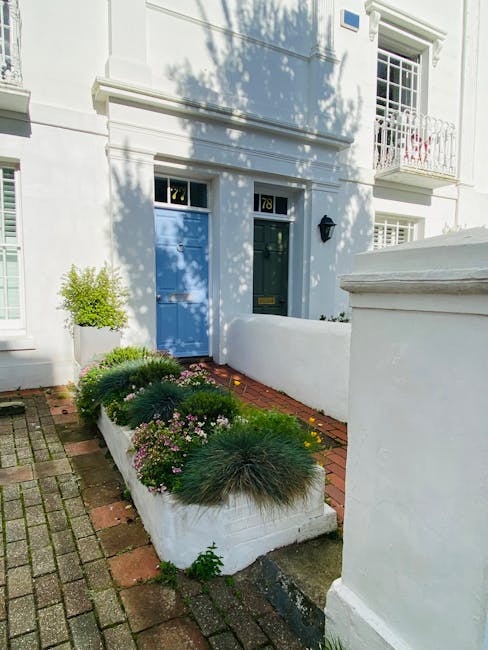
Bedford Park Gardeners Case Study: Small Front Garden Transformation
Small front gardens can be deceptively tricky. They need to look tidy from the street, feel welcoming at the gate, and still work day to day without becoming a maintenance headache. This Bedford Park gardeners case study small front garden transformation looks at the kind of project that makes a big difference in a compact space: clearer lines, better planting, smarter access, and a front garden that finally feels in step with the house. If you have ever stood at your own front path and thought, "this could be lovely, but where do I even start?", you are in the right place.
Truth be told, front gardens often get overlooked until they start causing small frustrations. A hedge that swallows the entrance. A patchy lawn that looks tired half the year. A narrow bed that collects weeds faster than you can remove them. In Bedford Park, where kerb appeal matters and properties often have character worth showing off, a front garden transformation is less about flash and more about balance. This guide breaks down how a small garden can be reshaped into something calm, practical, and properly finished.
Why Bedford Park gardeners case study small front garden transformation Matters
A small front garden is often the first thing people notice and the last thing they forget. It frames the property, sets the tone for the entrance, and quietly shapes how the whole home feels. In a place like Bedford Park, that can matter quite a bit. The architecture already does some of the heavy lifting, but the garden either supports it or muddles it.
What makes this case study useful is that it reflects a common reality: the space is limited, the sightlines are important, and the owner usually wants a result that looks elegant without becoming a full-time chore. That is the sweet spot. A good front garden transformation is not about filling every inch. It is about editing, shaping, and making the layout work harder.
There is also a practical side. Front gardens tend to be exposed, so they are seen in winter, in rain, and in that slightly grey London light that can expose every rough edge. If the planting is too fussy or the layout too crowded, the whole thing can feel messy very quickly. A considered design keeps the garden looking intentional even when the weather is doing its usual British thing.
For homeowners, landlords, and anyone preparing a property for sale or rent, the return is often immediate in visual terms. The entrance feels cleaner. The path is easier to use. The front boundary stops looking like a problem. Simple, but powerful.
How Bedford Park gardeners case study small front garden transformation Works
A transformation like this usually begins with an honest look at what is already there. Not in a harsh way. Just a practical assessment of structure, condition, and use. Is the existing layout guiding people in the right direction? Is the planting providing shape or just swallowing space? Is there enough room to open the gate comfortably, bring in a bike, or leave a bin without it becoming awkward?
From there, a gardener or landscaping team will normally think in layers. The hard landscape comes first: edging, paving, access points, borders, and any structural features that define the space. Then comes the soft landscaping: planting, soil improvement, turf or ground cover, and the final tidy-up. If the garden has overgrown hedges or trees blocking the light, that gets dealt with early too, because light changes everything in a small front garden.
A reliable transformation process also includes maintenance planning. That part gets skipped too often, and then the lovely new front garden starts slipping after a month or two. To be fair, a design only succeeds if it can be maintained by a real person living a real life. The low-maintenance route is often the smartest route.
In many cases, the work can be organised as a tidy sequence:
- Initial assessment of layout, light, access, and condition
- Clearance of overgrowth, debris, and awkward old growth
- Pruning, trimming, or removal of anything blocking the scheme
- Redesign of the front boundary and circulation route
- Installation or refresh of planting and surface finishes
- Final detailing, cleanup, and aftercare guidance
If the space needs broader reshaping, a more comprehensive service through landscaping support or landscape gardening may be the right fit. For overgrown plots, a targeted garden clearance can create the clean slate needed before any design work begins.
Key Benefits and Practical Advantages
The most obvious benefit is kerb appeal, but there is more to it than looks. A good front garden should feel easy to move through, easy to keep in order, and easy to live with through the seasons.
Here are the main advantages homeowners usually notice:
- Better first impressions: A neat front approach changes how the whole property is perceived.
- Improved access: Wider, clearer paths and better boundary shaping make daily use smoother.
- Less maintenance stress: Well-chosen planting and sensible surfaces reduce weekly effort.
- More usable space: Small gardens can feel bigger once cluttered elements are removed.
- Healthier planting conditions: Better light, soil, and spacing support stronger growth.
- Stronger property coherence: The garden begins to match the style of the house rather than fighting it.
One thing people often underestimate is how much easier life feels when the garden stops nagging at you. No more cutting around awkward edges every Sunday morning. No more "I'll deal with that next week" jobs that somehow keep growing. You know the type.
There is also a modest but real emotional benefit. Coming home to a front garden that looks composed can change the mood of a whole street-facing entrance. It feels looked after. That matters more than people admit.
Who This Is For and When It Makes Sense
This kind of transformation suits a surprisingly wide range of property owners. It is not just for people who want a showpiece garden. In fact, small front gardens often need practical thinking more than grand design flourishes.
You may be a good fit if:
- your front garden feels cramped, dark, or cluttered
- the hedge, shrubs, or trees are blocking light to the house
- the path is awkward to use or overgrown at the edges
- the garden looks tired and you want a cleaner street-facing finish
- you are preparing a home for sale or letting
- you want lower maintenance without losing character
- your current planting has become unbalanced or difficult to manage
It also makes sense if the entrance has started to feel a bit apologetic. That sounds dramatic, but it is true. A front garden can quietly suggest neglect even when the rest of the property is lovely. A refresh brings the whole house back into alignment.
Families often want safer, clearer access. Older homeowners may want less bending, less pruning, and less seasonal fuss. Landlords usually want a tidy, durable result that looks good between tenancies. Different needs, same principle: simple, legible, and not high-maintenance.
Step-by-Step Guidance
Here is the approach that tends to work best for small front garden projects. Nothing fancy. Just the order that saves time and avoids rework.
1. Start with the entrance route
The first job is often to define how people actually enter the property. A good garden should guide the eye and the feet in the same direction. If the path is visually lost, the whole front starts to feel confused. Clean lines help a lot here.
2. Remove visual clutter
Old containers, self-seeded plants, damaged edging, half-hidden weeds, and exhausted shrubs can all make a small garden feel even smaller. Clearing those out does not just improve appearance; it opens up the space. Sometimes you do not need more garden. You need less stuff in the way.
3. Address light and boundary shape
If the front hedge or a small tree is casting too much shade, trimming or selective removal can transform the feel of the garden. Light is a design material, really. It changes colour, space, and mood. A tidy hedge line can make a narrow garden feel deliberately framed rather than squeezed.
4. Simplify the planting palette
Small gardens usually work better with fewer plant types repeated well. That creates rhythm. It also makes upkeep easier, which is no small thing. A few robust, well-placed plants often beat a crowded mix that looks exciting for two weeks and then turns into a jumble.
5. Refresh the surface finishes
Edging, mulch, gravel, paving, or turf all play a big role in how polished a front garden looks. Even when the planting is simple, good surfaces make the whole thing feel intentional. If the existing lawn is patchy or tired, a service like lawn mowing and maintenance can be part of the handover phase while the rest of the garden settles.
6. Set the maintenance rhythm
This is where a lot of people slip. They finish the project and assume the job is done. It is not, quite. The garden needs a realistic routine: occasional trimming, seasonal weeding, checking drainage after heavy rain, and keeping the line of the entrance clear. A proper garden maintenance plan keeps the result looking fresh instead of gradually sagging.
Expert Tips for Better Results
In small front gardens, restraint usually wins. That is the main thing. You do not need to cram in every possible feature. In fact, the more limited the space, the more valuable editing becomes.
Here are a few practical tips that make a real difference:
- Use repetition: Repeating one or two plant types gives a calm, grown-up look.
- Keep edges crisp: Neat edging makes even a basic design feel more expensive.
- Prioritise height carefully: A little height adds interest, but too much blocks light and sightlines.
- Think about winter viewing: Front gardens are seen all year, so structure matters more than seasonal colour alone.
- Leave breathing room: Negative space is not wasted space. It helps the garden look composed.
- Plan for easy access: Gate clearance, parcel drop space, and bin movement are small details that matter every week.
One of the best small-garden tricks is to use a strong frame and keep everything else quieter. A well-cut hedge, a clean border, and a modest planting scheme can be far more effective than a busy design. It is a bit like a good haircut. You notice the shape before you notice the individual strands.
If trees are involved, especially where they shade the garden or crowd the frontage, a cautious approach through tree lopping and removal may be worth discussing. The key word is cautious. You want the right amount of intervention, not a blunt one.
Common Mistakes to Avoid
Most front garden disappointments come from the same handful of avoidable mistakes. Not dramatic errors. Just small decisions that compound.
- Overplanting: Too many species in a small space creates clutter and ongoing pruning.
- Ignoring maintenance: A neat design can unravel fast if no upkeep plan exists.
- Blocking the entrance: Tall or wide planting near gates and paths can make the garden feel awkward.
- Using one-off decorative items as a fix: A planter or feature stone will not rescue a weak layout on its own.
- Skipping clearance first: Trying to redesign around old growth is usually false economy.
- Choosing high-maintenance planting for a busy household: It looks great on paper. In practice, not so much.
A small note from experience: it is very easy to be seduced by a before-and-after photo and forget the "after" still needs watering, clipping, and the occasional reality check. Gardens are like that.
Another mistake is treating the front garden as separate from the house. In Bedford Park especially, the frontage should feel like an extension of the property's character. If the house is elegant, the garden should be calm and coherent rather than noisy.
Tools, Resources and Recommendations
You do not need a shed full of specialist kit to manage a small front garden well, but the right tools and service mix can make the work cleaner and safer.
Useful practical tools often include:
- sharp secateurs for precise pruning
- hedge trimmers for clean boundary lines
- a sturdy rake for clearance and tidying
- border spade or edging tool for neat definition
- gloves and eye protection for cutting work
- consistent watering equipment for newly planted areas
For most homeowners, though, the real recommendation is to combine a one-time design or renewal with a maintainable routine. That may mean periodic visits for trimming, mowing, or general tidy-up work, rather than trying to do everything in one burst and leaving the rest to luck.
When the front garden has become too unruly for a simple tidy, a structured approach via services overview can help you understand what fits best: clearance, trimming, maintenance, or a more complete landscape refresh. If you are comparing scope and budget, pricing and quotes is a sensible next stop.
And if you want to better understand the company behind the work, the about us page is useful for getting a feel for standards and approach. Small thing, but it helps.
Law, Compliance, Standards, or Best Practice
For a front garden project, compliance is usually less about paperwork and more about doing things properly. That said, there are still some important UK best-practice points to keep in mind.
If trees are being altered, the work should be approached carefully. Tree work can involve safety risks, and in some cases there may be protected trees, shared boundaries, or access issues to consider. It is always sensible to check the property context before any major cut or removal. No one wants a tidy-up to turn into a dispute, or a surprise problem with a neighbour.
For larger landscaping work, responsible contractors should also think about safe handling of tools, waste removal, and site tidiness. Good practice matters in a front garden because the public-facing nature of the space raises the stakes a little. You are not hiding mistakes at the back of the house. Everybody sees the front.
On the client side, it helps to ask a few plain-language questions before work starts:
- What exactly will be cleared, retained, or reshaped?
- How will access to the property be managed during the work?
- What happens to green waste and debris?
- How will the final shape be maintained afterward?
- Are there any known safety or insurance considerations?
For reassurance on those last points, pages such as insurance and safety and health and safety policy can help set expectations. If environmental handling matters to you, recycling and sustainability is also worth reviewing. It is not glamorous, but it is part of a well-run service.
Options, Methods, or Comparison Table
Not every small front garden needs the same level of intervention. Some only need trimming and cleaning up. Others need a full redesign. Here is a simple comparison to make that clearer.
| Approach | Best for | Typical strengths | Possible drawback |
|---|---|---|---|
| Light tidy and trim | Gardens that are basically sound but untidy | Quick, economical, keeps existing structure | Limited change if layout is the real problem |
| Clearance plus replanting | Overgrown spaces with tired planting | Creates a fresh start and better shape | May still need follow-up maintenance |
| Full landscaping refresh | Gardens with poor flow, weak access, or no clear design | Best overall transformation and long-term usability | More planning and usually more cost |
| Maintenance-led improvement | Gardens that already have a good base | Steady results, easy to manage over time | Does not solve deeper layout issues |
In practice, many Bedford Park front gardens sit somewhere between the second and third rows. A little bit of clearing, a bit of shape-making, then a thoughtful finishing pass. That tends to be the sweet spot. You want enough change to feel meaningful, not so much that the garden loses its character.
Case Study or Real-World Example
Here is a realistic example of the kind of small front garden transformation this topic is all about.
A compact Bedford Park frontage started with dense shrubs, a narrow access path, and a boundary hedge that had grown a touch too confidently. The space was not broken, exactly, but it felt compressed. From the street, you could see there was a good house behind it, yet the garden was doing it no favours. The owners wanted something neater, lighter, and easier to maintain.
The work began with clearance. Old stems, weak growth, and awkward self-seeded material were removed. The hedge was then reduced and shaped to open up the front elevation and improve light around the entrance. Some planting was kept, but only the parts that suited the new layout. The aim was not to remove every trace of the old garden, just the bits that were making the space feel busy and closed in.
After that, the front boundary was simplified, the bed lines were sharpened, and the path was visually given back its role as the main route. The new planting scheme relied on repetition rather than variety for variety's sake. That made the garden feel calmer straight away. A small amount of mulch and careful final grooming finished the look.
The result? The house looked more open from the street, the entrance felt more generous, and the garden became easier to keep under control. Nothing theatrical. Just a proper transformation in a small space. The kind that makes you smile when you come home on a drizzly Tuesday evening and realise the front of the house finally feels right.
For a project like that, the most useful support usually comes from a blend of hedge trimming, selective clearance, and ongoing upkeep. That combination does most of the heavy lifting without making the garden feel overworked.
Practical Checklist
Use this checklist if you are planning a small front garden transformation and want to stay grounded rather than overwhelmed.
- Look at the garden from the street and from the front door
- Identify what is blocking light, access, or visual clarity
- Decide what should stay, what should go, and what should be reshaped
- Check whether the path and gate still feel comfortable to use
- Choose a small, coherent planting palette
- Make sure any surfaces, edges, or borders are tidy and consistent
- Plan how the garden will be maintained after the transformation
- Confirm waste removal, safety, and site tidiness expectations
- Allow for seasonal changes in light, growth, and visibility
- Keep the final look calm, not crowded
Key takeaway: the best small front garden transformations are usually the ones that remove friction first, then add beauty second. Sounds simple because, honestly, it is. But simple done well is hard to beat.
If you are at the stage where the space needs expert eyes, a practical conversation with a local team can save a lot of guesswork. It is often easier to get the plan right before the digging starts.
Get a free quote today and see how much you can save.
Conclusion
A Bedford Park gardeners case study small front garden transformation is really about making limited space work beautifully. The most successful projects do not try to force drama into a tiny frontage. They bring order, improve flow, and let the property breathe a little. That is the real win.
Whether your front garden needs a light refresh, a proper clearance, or a more thoughtful landscaping plan, the process should feel measured and practical. Start with the problems you can see every day. Then build a design that you can actually live with. Not just admire for a week and then resent by month two.
If you are weighing up next steps, keep it simple: assess the space honestly, decide what the garden needs to stop doing, and aim for a result that is as maintainable as it is attractive. That is usually where the best transformations begin. And, frankly, where they last.
Small front gardens can be surprisingly rewarding when they are handled with care. You notice the change every time you come home.
Frequently Asked Questions
What makes a small front garden transformation worth doing?
It is worth doing when the space feels cramped, hard to maintain, or out of step with the house. A good transformation improves kerb appeal, access, and everyday usability without needing a huge garden footprint.
How long does a small front garden transformation usually take?
That depends on the starting point. A simple tidy-up can be quick, while a more complete redesign with clearance, planting, and finishing work will take longer. The amount of overgrowth is usually the main variable.
Do I need a full landscaping project, or just maintenance?
If the layout is already sensible and the issue is mainly tidiness, maintenance may be enough. If the entrance feels awkward, the planting is overcrowded, or the garden blocks light, a more involved landscaping approach makes more sense.
Can a small front garden still look elegant without much planting?
Yes, absolutely. In a compact space, clean edges, good proportions, and one or two well-chosen plants often look more elegant than a crowded display. Less can really be more here.
What is the first thing gardeners usually change?
Usually the first step is clearance and shaping. That might mean removing overgrowth, reducing hedge bulk, or opening up the entrance path so the space feels more organised straight away.
How do I keep a front garden low maintenance after it has been transformed?
Choose resilient planting, keep the palette simple, and set a realistic maintenance routine. Regular trimming and seasonal tidying are much easier to manage than letting things become heavily overgrown again.
Is hedge trimming important in a Bedford Park front garden?
Very often, yes. A hedge can either frame the property beautifully or dominate the frontage. Careful hedge trimming helps with light, proportion, and the overall finish of the garden.
What should I ask before booking garden work?
Ask what will be cleared, what will be retained, how waste will be handled, and how the final result will be maintained. It is also sensible to ask about safety and insurance, especially if trees or access issues are involved.
Can tree work improve a small front garden?
It can, if trees are blocking light or making the frontage feel crowded. But it should be done carefully and only when the benefit is clear. Sometimes selective pruning is enough; sometimes removal is the right call.
What is the biggest mistake people make with small front gardens?
The biggest mistake is usually trying to do too much. Too many plants, too many features, too many materials. Small spaces need clarity. If the design feels calm, it will usually age better too.
Should I think about recycling and waste removal during the project?
Yes. It is easy to focus on the design and forget the mess underneath. A well-run project should include sensible waste handling and a tidy finish, especially when the front of the property is visible to everyone passing by.
What is the best next step if I am not sure where to begin?
Start with an honest assessment of the space and a conversation about what feels most frustrating right now. From there, a gardener or landscaping team can suggest whether you need clearance, maintenance, trimming, or a fuller transformation. Small step first. That usually works best.